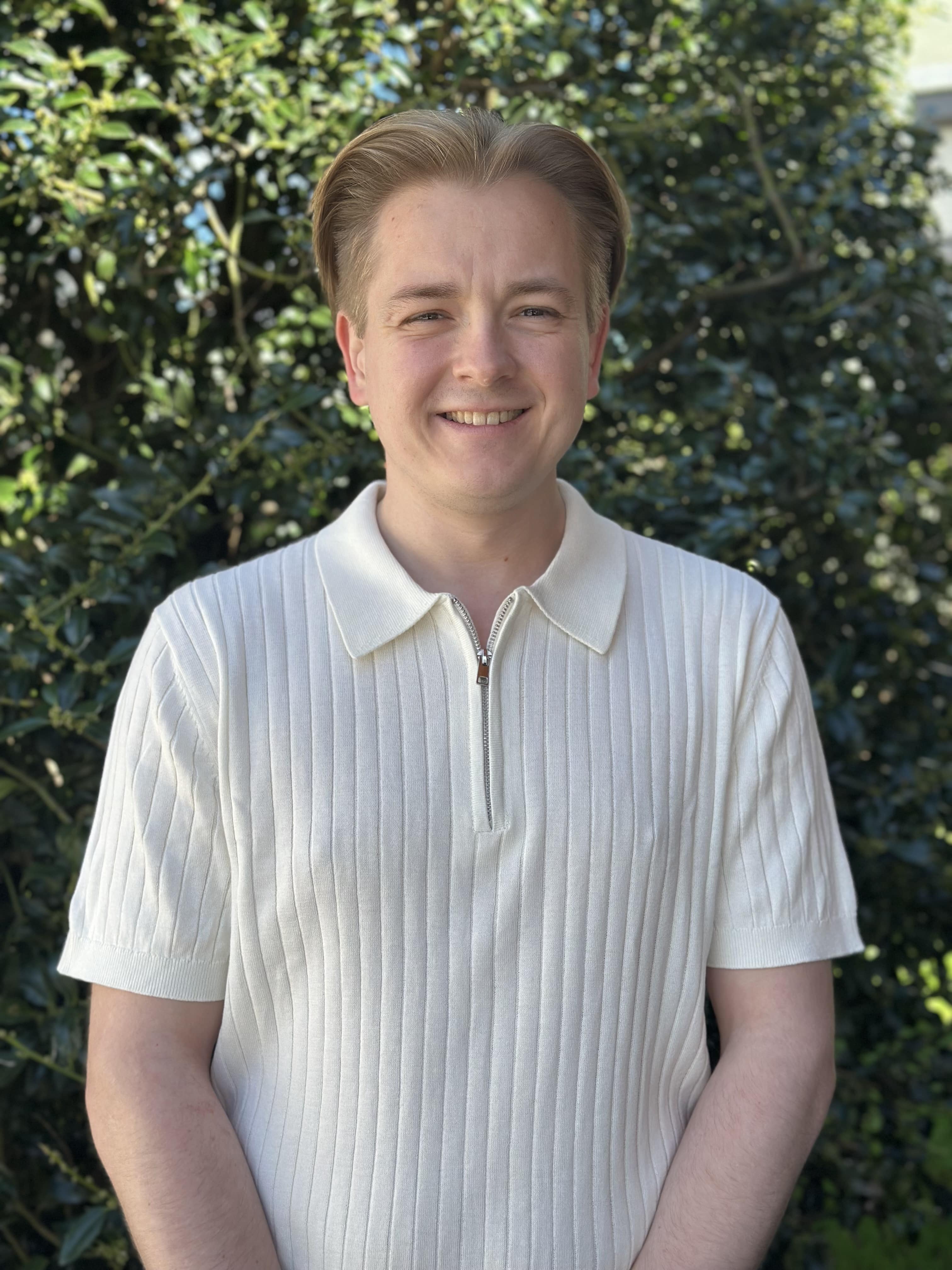
Alfred Häussl
Junior Professor


Contact:
- email: alfred.haeussl@ustp.at

University of Applied Sciences St. Pölten
Department Health
Department Health
Highest degree:
Masters
Degree name:
Master in Nursing Science
Area of expertise:
Medical and Health Sciences
Skills:
Alfred Häussl (Haeussl) is a Junior Professor at the University of Applied Sciences St. Pölten (USTP) and a Scientific Researcher at the Medical University of Graz (MUG), where he is also pursuing his doctoral degree in medical sciences. His work lies at the intersection of nursing science, psychiatry, and digital health, with a particular focus on technology-based interventions in mental health care.
He has been involved in interdisciplinary and technology-driven research at the Medical University of Graz since 2019. From 2019 to 2021, he was a member of the TechCare Lab, and since October 2021 he has been part of the research unit “Neurobiological Foundations and Anthropometric Characteristics in Bipolar Disorders.” Within this framework, he contributes to several longitudinal and multicenter studies on bipolar disorder, including the BIPFAT, Biplong, BIPCOVID-19, and BIPGEN studies.
Since 2022, he has also been involved in research on the acceptance of social robotics in psychiatric settings.
Since 2023, Alfred Häussl has been a member of the Cedition Lab at the Medical University of Graz, where his research focuses on metacognition and its neurobiological correlates across psychiatric conditions, including work within the MOMIC study.
At the European level, he is currently involved in two EU-funded projects: XR2ESILIENCE, which focuses on resilience and mental well-being of the health and care workforce using extended reality technologies, and EMBRACE, a project addressing pan-European crisis preparedness and standardized responses to biological threats.
In addition to these initiatives, he is involved in ongoing projects such as RoboFriend as well as the BIP-related studies. His completed projects include VR4Care, AMIGO, AMIGA, MultimodAAL, AR-Demenz, AI-Refit, ROBo [os]t, EvaDigiAssSys, and XRes4Health. Overall, his research aims to advance evidence-based, human-centered digital solutions for mental health care in clinical and educational contexts across Europe.
He has been involved in interdisciplinary and technology-driven research at the Medical University of Graz since 2019. From 2019 to 2021, he was a member of the TechCare Lab, and since October 2021 he has been part of the research unit “Neurobiological Foundations and Anthropometric Characteristics in Bipolar Disorders.” Within this framework, he contributes to several longitudinal and multicenter studies on bipolar disorder, including the BIPFAT, Biplong, BIPCOVID-19, and BIPGEN studies.
Since 2022, he has also been involved in research on the acceptance of social robotics in psychiatric settings.
Since 2023, Alfred Häussl has been a member of the Cedition Lab at the Medical University of Graz, where his research focuses on metacognition and its neurobiological correlates across psychiatric conditions, including work within the MOMIC study.
At the European level, he is currently involved in two EU-funded projects: XR2ESILIENCE, which focuses on resilience and mental well-being of the health and care workforce using extended reality technologies, and EMBRACE, a project addressing pan-European crisis preparedness and standardized responses to biological threats.
In addition to these initiatives, he is involved in ongoing projects such as RoboFriend as well as the BIP-related studies. His completed projects include VR4Care, AMIGO, AMIGA, MultimodAAL, AR-Demenz, AI-Refit, ROBo [os]t, EvaDigiAssSys, and XRes4Health. Overall, his research aims to advance evidence-based, human-centered digital solutions for mental health care in clinical and educational contexts across Europe.
E3UDRES2 Areas of interest:
Health, Wellbeing and Social Inclusion for RegionsDigital Solutions and (Applied) Deep Tech for Regions